
 Mon-Fri 9:00 - 18:00 (GMT+3)


XRF in the World of Art: Discoveries and Preservation of Cultural Heritage
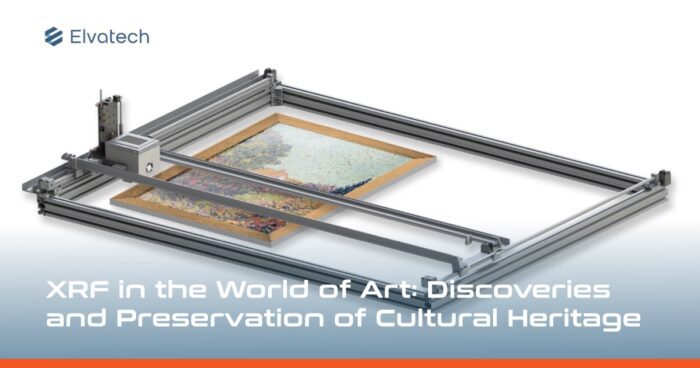
In an era where issues of authenticity, conservation and in-depth analysis of works of art are at the forefront, X-ray fluorescence analysis (XRF) is an invaluable tool for restorers, art historians and scientists. This method of analysis is particularly important for those faced with the task of examining works of art in detail without risk of damage or modification.
XRF allows for the accurate and non-destructive analysis of materials used in art, which is critical for authentication, researching the history of artworks, and developing preservation methods. In an art market where forgeries are becoming increasingly sophisticated, XRF is a reliable way to confirm or deny authenticity.
XRF is particularly significant in the context of cultural heritage preservation, where every intervention must be deliberate and cautious. The non-destructive nature of XRF makes it ideal for working with fragile and antique works of art, reducing the risk of damage during examination.
Now that we understand the significance of XRF in the world of art and cultural heritage, let's move on to case studies that illustrate its application in real-world research and projects around the world. These examples demonstrate how XRF helps uncover hidden histories and techniques used in works of art, and how it is becoming an indispensable tool for conservation, restoration and art historians.
Birmingham Museum of Art and the portable XRF scanner:
The Birmingham Museum of Art uses a portable XRF scanner to analyze works of art, including authentication and identification of dangerous heavy metals. For example, it has been used to reveal that the frame of a 19th century painting is made of copper, not gold as previously suspected. It also revealed the presence of toxic heavy metals in some exhibits.
Sculpture Analysis at the Isabella Stewart Gardner Museum:
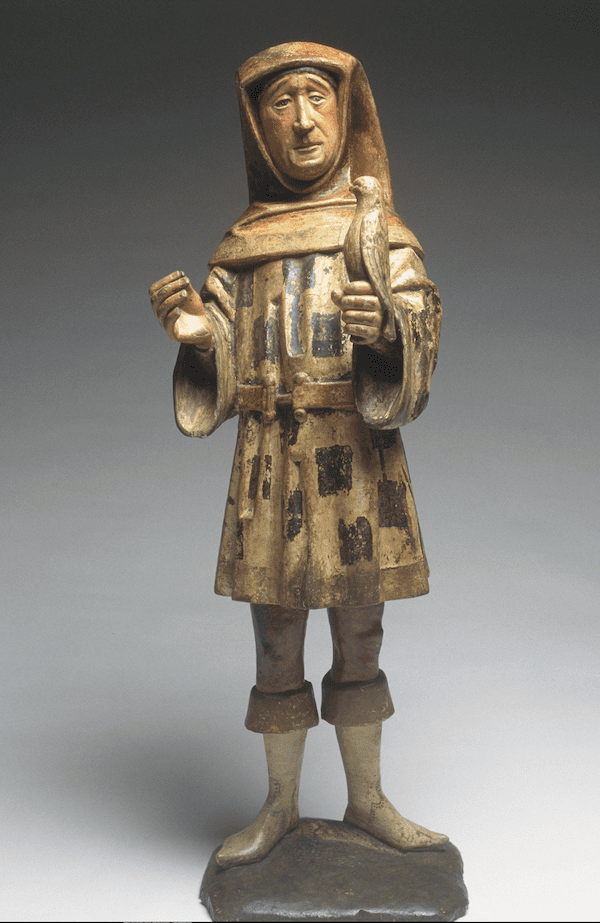
At this museum, XRF was used to analyze a painted and gilded wooden sculpture of St. Agnes. It also determined that vermilion mixed with white lead was used for the Falconer sculpture and white lead was used for the tunic. The gold and black trim was also analyzed, revealed to be gold foil on a tin base.

Study of Leonardo da Vinci's painting at the National Gallery in London:
The National Gallery in London used micro XRF to study Leonardo da Vinci's painting "Virgin of the Rocks". A hidden sketch under layers of paint was found, indicating changes in composition by the artist. Macro XRF was used to map elements in the painting, in particular to identify zinc that was present in the materials used for the hidden drawing.
These examples illustrate how XRF helps to deepen the understanding of art by providing new insights into materials, techniques, and the history of the works.
By exploring X-ray fluorescence analysis (XRF) in the context of art through case studies, we see its potential and importance in the study and preservation of cultural heritage. This is where the innovative ElvaX Art XRF analyzer comes in, combining advanced technology with the practical needs of professionals.
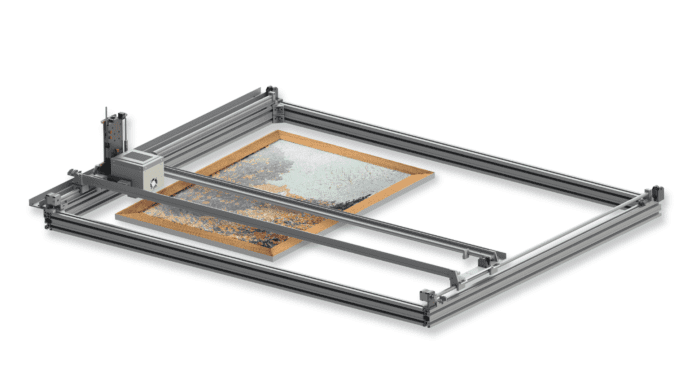
What makes ElvaX Art special is that it is not only a complete analytical suite for detailed desktop analysis of art objects, but also the system offers the operator flexibility of use thanks to the ProSpector 3 handheld analyzer. The ProSpector 3 can be easily removed from the holder and used as a stand-alone handheld analyzer, making this suite ideal for a wide range of art and ancient artifact analysis applications.
ElvaX Art is controlled via computer with a specialized software. This software not only controls the analyzer, but also controls the operation of the table's electric motors, allowing you to fine-tune the position of the analyzer for examination. This precision in setup and control makes ElvaX Art an ideal tool for art historians. They can rely on this system to perform highly accurate analyses, which is especially important when working with rare and fragile works of art.
This makes ElvaX Art a powerful partner in determining the authenticity of works of art, helping to distinguish originals from fakes.
To learn more about ElvaX Art and its features, you can contact our managers by phone +1 929 2371963 or write to us at the email [email protected]


