
 Mon-Fri 9:00 - 18:00 (GMT+3)


Sample preparation of autocatalysts for XRF analysis
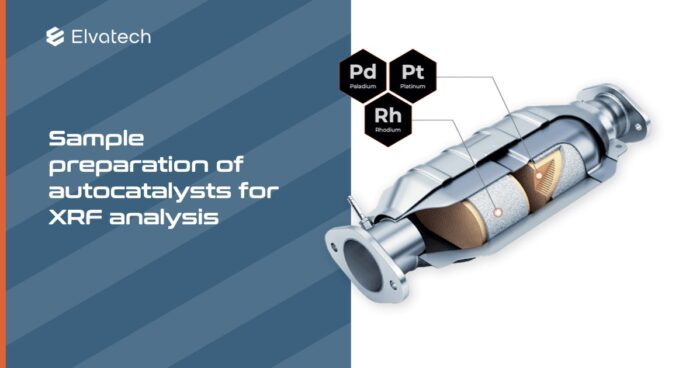
Auto-catalysts are an important part of modern vehicles, playing a key role in cleaning up emissions and ensuring environmental safety. They contain valuable platinum group metals such as platinum, palladium and rhodium, which are important for the chemical reactions needed to eliminate harmful substances from engine exhaust gases.
The presence of platinum group metals makes autocatalysts in demand for recycling, and therefore accurate analysis of the content of these metals is essential to confirm their value when accepted for recycling. In this context, sample preparation before XRF (X-ray fluorescence) analysis becomes a critical step, ensuring the accuracy and reliability of autocatalyst analysis results.
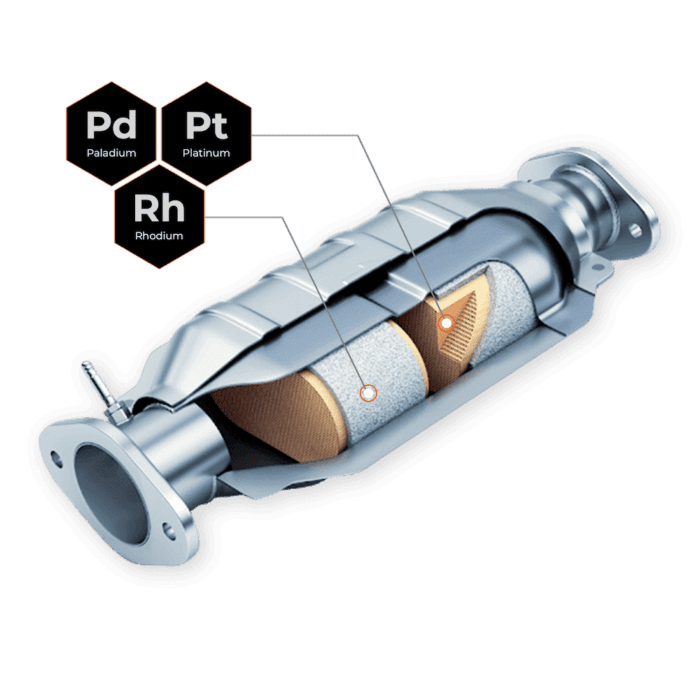
XRF analyzers are used for the analysis of autocatalysts, which allow determining the content of platinum group metals with high accuracy. Sample preparation process includes mechanical grinding and homogenization of samples prior to analysis, which ensures representative and homogeneous samples for analysis.
Accurate analysis of platinum group metals content in autocatalysts is important, especially when evaluating their cost and recyclability.
The importance of proper sample preparation for XRF analysis of autocatalysts
Proper sample preparation is essential to obtain accurate and reliable autocatalyst analysis results. This step plays a key role in creating representative samples that accurately determine the composition and concentration of platinum group metals.
One of the main aspects of sample preparation is macro-preparation. It ensures the preparation of a representative sample that reflects the composition of the autocatalyst as closely as possible. This provides accurate data on the presence and concentrations of platinum group metals, which are key to the evaluation of the catalyst.
Without proper sample preparation, the risk of distorted or inaccurate analysis results increases significantly.
Process of autocatalyst sample preparation before XRF analysis
The process of autocatalyst sample preparation before XRF analysis consists of several important steps, which guarantee the obtaining of representative samples and accurate results.
The first step is the mechanical grinding of the autocatalyst samples. This is carried out using specialized equipment such as ball mills or vibratory mills. The mechanical grinding allows obtaining homogeneous and finely dispersed material, which is important for further analysis.
After grinding, the samples undergo a homogenization process. Homogenization ensures an even distribution of platinum group metals and other components in the sample material. This is achieved by mixing the samples with special devices such as homogenizers or magnetic mixers. Homogenization makes it possible to obtain representative samples and to minimize possible heterogeneities in the catalyst composition.
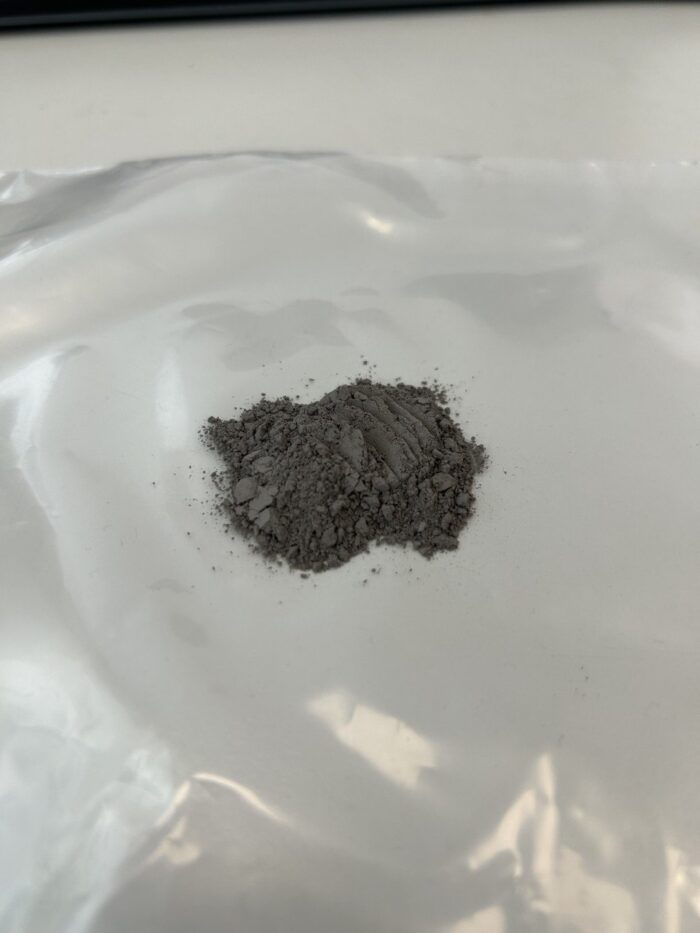
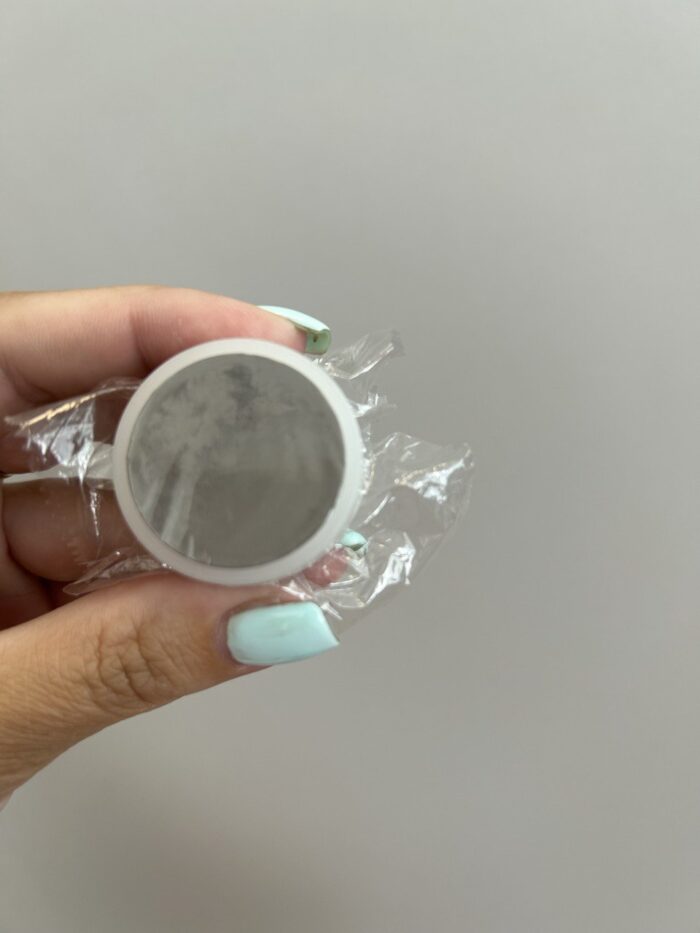
After proper sample preparation you can already perform the XRF analysis. For this purpose we recommend to use cuvettes with a special X-ray-transparent protective film, which does not contain chemical elements distorting the analysis results.
The ProSpector 2 or ProSpector 3 handheld analyzer with lab stand or the ElvaX Basic benchtop analyzer can be used directly for XRF analysis of milled catalysts and their evaluation.
Benefits of proper autocatalyst sample preparation
Proper sample preparation of autocatalysts plays a crucial role in achieving high accuracy, validity and reliability of XRF analysis results.
The first and most significant benefit is improved analytical accuracy. Properly prepared samples provide a more representative picture of the composition of autocatalysts. This provides accurate data on platinum group metal content, which is key to making catalyst cost decisions.
Another benefit relates to shorter analysis times. Proper sample preparation of autocatalysts reduces the number of steps and procedures, which in turn reduces the time required to obtain results. This is especially important in high throughput and sample flow environments.
In addition, proper sample preparation reduces the chance of errors and distortions in the analysis. Improperly prepared samples can lead to inaccurate results, leading to incorrect interpretations of data and incorrect decisions. Proper sample preparation minimizes the potential for errors and provides more reliable results.
Finally, proper sample preparation of autocatalysts has an impact on process efficiency and economics. Accurate and reliable catalyst analysis data obtained through correct sample preparation can optimize processes and increase profits.


