
 Mon-Fri 9:00 - 18:00 (GMT+3)


Which spectrometer to choose for jewelry analysis: Jewelry Lab vs ProSpector 3?

The method of X-ray fluorescence analysis (XRF) is currently one of the main methods for analyzing the elemental composition of materials. It is very popular in many industries, including the jewelry business, because it is able to quickly and accurately determine the composition of precious alloys, being a non-destructive method, and requires virtually no sample preparation. These advantages, and the ultimate ease of use, make X-ray fluorescence analyzers an indispensable tool for any jewelry business.
The XRF Analyzer Jewelry Lab specifically designed for the analysis of jewelry. This benchtop analyzer provides maximum precision and speed for determining precious metals, identifying both their elemental composition and the presence of coatings and their thickness in less than a minute. Results are available in both percentages and carats.
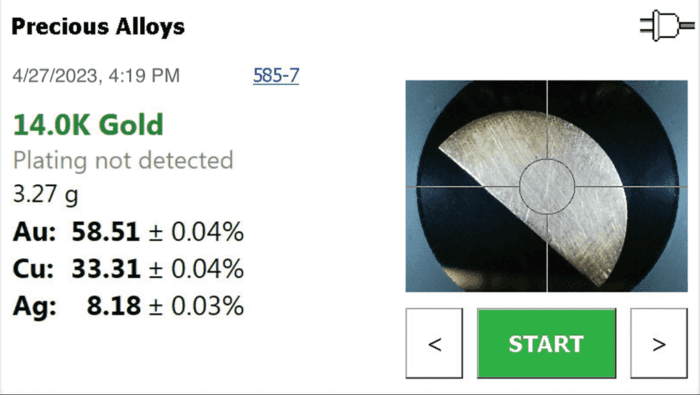
With an automatic collimator changer and an integrated camera that controls the analysis area, Jewelry Lab makes it possible to analyze the entire jewelry or specific areas of it. This spectrometer also has built-in scales, providing information not only about the composition, but also about the weight of the analyzed sample.
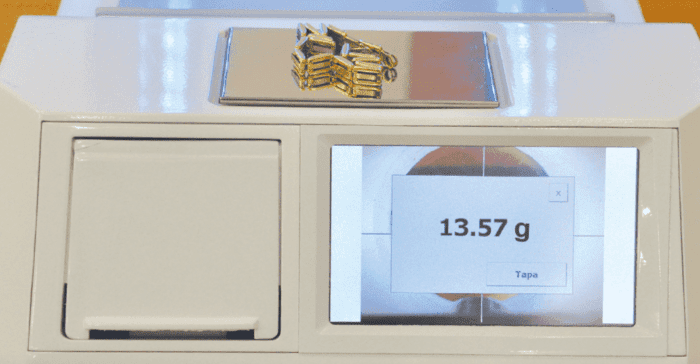
In addition, the spectrometer can automatically calculate the value of the precious alloy based on the results of analysis, its weight, and the exchange value of the precious metal. Jewelry Lab also has a built-in printer which allows you to print a report about the composition of the sample at a glance and customer display.

Spectrometer also has a built-in battery which provides autonomy and the ability to perform analysis without connecting to the mains. Therefore, Jewelry Lab combines all the features you need to create analytical certificates with complete information about the jewelry in one tool.
If you often need to conduct analysis on-site, consider the ProSpector 3 handheld XRF analyzer. This spectrometer is the lightest and most compact analyzer on the market, while offering high autonomy and over 16 hours of hot-swappable battery life. This spectrometer model is also great for analyzing precious alloys, and is just as accurate as Jewelry Lab, as well as having a collimator changer for controlling the analysis area.

All of these applications can be solved with one instrument, limited only by the calibrations included. The ProSpector 3 is also able to automatically calculate the value of precious alloys, if the weight of the sample is known, and the memory card allows you to save measurement reports for later printing on an external printer.
Of course, being portable, this device is somewhat inferior in functionality, and it does not have scales or a built-in printer, but this is compensated by the versatility of ProSpector 3. This spectrometer can be used to analyze precious and common alloys, soils, ores, plastics, autocatalysts, and more.
Overall, of these two analyzers, the Jewelry Lab is essentially a completely self-sufficient mini-laboratory for jewelry analysis and is a great fit for the equipment of businesses involved in the jewelry business. This spectrometer makes it quick and easy to analyze the chemical composition of precious alloys, and immediately provides a printed report with the results of the analysis. The ProSpector 3, on the other hand, is well suited for frequent on-site analysis. The high compactness and autonomy of this spectrometer model will allow you to have your analysis everywhere and anytime.


